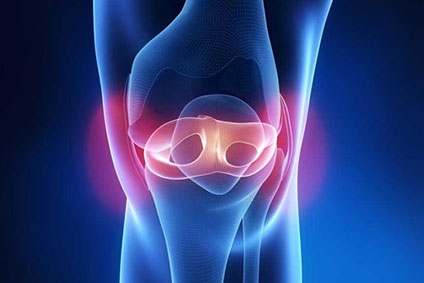
PRP for Knee Osteoarthritis: A Promising Option or a Fragile Solution?
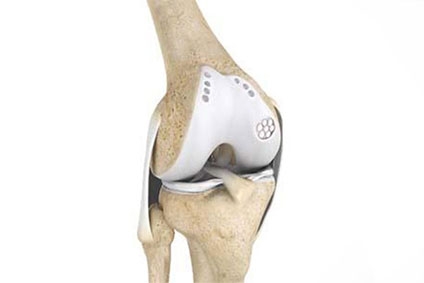
Knee osteoarthritis (OA) is a debilitating condition affecting millions, leading many to seek innovative treatments to regain mobility and reduce pain.
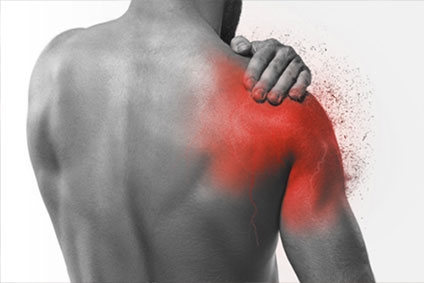
Recurrent anterior shoulder instability can sideline athletes, particularly those in contact and collision sports, where physical demands are high. The arthroscopic Latarjet procedure has become a reliable option for restoring stability and enabling athletes to return to their sport.
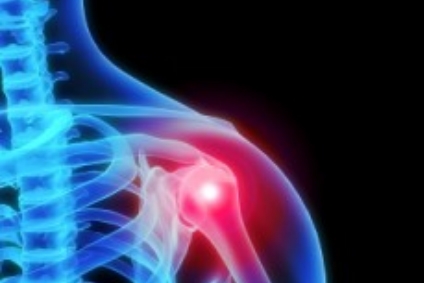
Posterior shoulder instability poses a unique challenge for orthopedic surgeons, particularly in cases of excessive glenoid retroversion. While posterior glenoid bone grafting is a common surgical solution, its effectiveness in extreme retroversion remains uncertain. A recent cadaveric study, done by Dr. Okoroha’s colleagues, sheds light on the biomechanical limits of iliac crest bone grafting (ICBG) for restoring shoulder stability in the setting of posterior instability.
Socioeconomic factors are increasingly recognized as critical determinants of health outcomes, even in specialized care like orthopedic surgery. A recent study done by Dr. Okoroha’s colleagues explored how neighborhood-level socioeconomic status, measured by the Area Deprivation Index (ADI), influences recovery after hip arthroscopy.
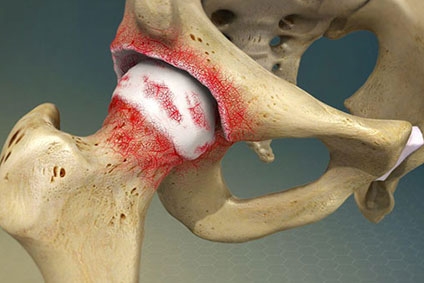
Femoroacetabular impingement syndrome (FAIS) has emerged as a significant contributor to hip pain and dysfunction, particularly in younger, active individuals. Advances in arthroscopic techniques have revolutionized treatment options, enabling minimally invasive approaches with promising outcomes.