Return to Sports After Osteochondral Allograft Knee Surgery: Recovery Time, Success Rates, and Risks
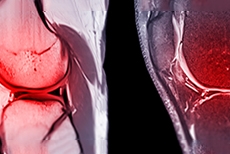
A new analysis, conducted by Dr. Okoroha’s colleagues, examined outcomes related to osteochondral allograft knee surgery.
A new analysis, conducted by Dr. Okoroha's colleagues, examined outcomes related to knee cartilage surgery. Their research highlights an important takeaway—while new techniques continue to evolve, long-term data remains critical in determining the best approach.
When it comes to hip pain from conditions like femoroacetabular impingement, surgery is often a helpful solution. But what happens if the first surgery doesn’t fully work and a second one is needed? A new analysis, written by Dr. Okoroha’s colleagues, compared outcomes between first-time (primary) and second-time (revision) hip arthroscopy.
A meniscus root tear—an injury to the cartilage that cushions your knee—can lead to pain, limited movement, and even arthritis if not treated properly.
When it comes to ACL injuries—especially second surgeries—patients want long-lasting results that can help them stay active without worry. Dr. Okoroha's colleagues recently studied whether combining two knee procedures instead of just one could make a real difference for those undergoing revision ACL surgery.