A new analysis, conducted by Dr. Okoroha’s colleagues examined outcomes related to arthroscopic bankart repair with remplissage for shoulder instability.Their research highlights an important takeaway, while new techniques continue to evolve, long-term data remains critical in determining the best approach. Here’s what they found.
https://journals.sagepub.com/doi/full/10.1177/03635465251324930
Overview
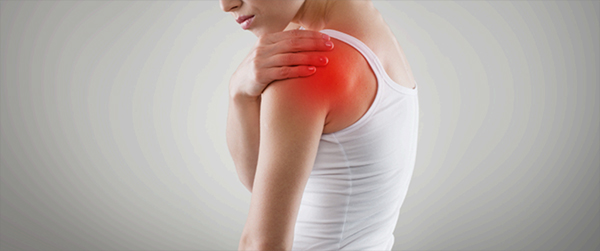
Anterior shoulder instability is a common problem, especially in younger, active individuals and contact athletes. It often occurs when the shoulder repeatedly “pops out” or dislocates due to damage to the labrum and associated bony structures.
A standard surgical treatment is the Bankart repair, which restores the torn anteroinferior labrum. However, in cases with an engaging Hill-Sachs lesion (a compression fracture on the humeral head) and subcritical glenoid bone loss, instability can still recur after isolated repair.
To address this, surgeons may add a procedure called remplissage, which “fills in” the Hill-Sachs defect using the posterior capsule and infraspinatus tendon. While effective, concerns have existed about whether this technique could reduce shoulder range of motion, particularly external rotation.
This systematic review evaluated long-term outcomes (minimum 5 years) of Bankart repair with remplissage.
Study Design
This was a systematic review (Level 4 evidence) following PRISMA guidelines. Researchers searched PubMed, Scopus, and the Cochrane Library for studies reporting outcomes after Bankart repair with remplissage with at least 5 years of follow-up.
Key Findings
Three studies met inclusion criteria, covering 144 shoulders with an average follow-up of 104 months (about 9 years).
Patient characteristics:
- 77% male
- Mean age: 29 years
- 51% participated in contact sports
- All had <25% glenoid bone loss
Outcomes
Functional Improvement
Patients showed a strong improvement in shoulder function:
- Rowe score improved from 49 → 97 (significant improvement) This indicates excellent postoperative shoulder stability and function.
Range of Motion
One major concern with remplissage is potential stiffness, especially loss of external rotation. The review found:
- Forward elevation: 171° → 176° (no significant difference)
- External rotation at 90° abduction: 90° → 86° (no significant difference)
Bottom line: There was no meaningful loss of shoulder motion after surgery.
Stability & Recurrence
- Overall recurrent instability: 10%
- Recurrent dislocation: 8%
- Revision surgery: 4%
- Return to sport: 76%
These rates suggest good long-term durability, especially compared to isolated Bankart repair in similar high-risk patients.
Conclusion
For patients with recurrent anterior shoulder instability, engaging Hill-Sachs lesions, and subcritical glenoid bone loss, arthroscopic Bankart repair with remplissage provides excellent long-term outcomes.
Key takeaways:
- Strong functional improvement
- Low recurrence rates (~10%)
- No significant long-term loss of range of motion
- High return-to-sport rate (76%)
Overall, the procedure appears to offer improved stability compared to isolated Bankart repair without sacrificing shoulder mobility.
Further long-term studies are still needed, but current evidence supports remplissage as a reliable addition in appropriately selected patients.
We are committed to providing personalized care and innovative treatments to help patients return to peak performance safely and effectively. To learn more about arthroscopic bankart repair, schedule a consultation with Dr. Kelechi Okoroha today.
Seeing patients in Dallas, Richardson, Frisco, and beyond, Dr. Okoroha provides specialized care focused on optimizing recovery, performance, and long-term joint health.
Visit: