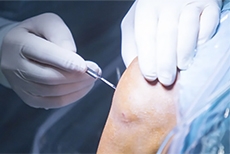
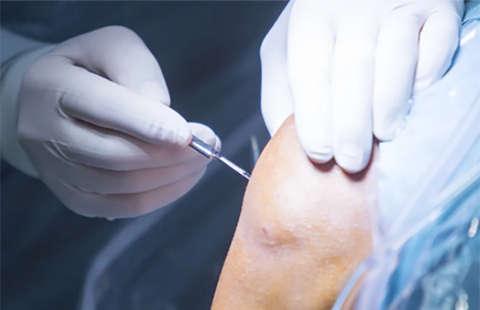
A new analysis, conducted by Dr. Okoroha’s colleagues, examined outcomes related to knee cartilage surgery. Their research highlights an important takeaway—while new techniques continue to evolve, long-term data remains critical in determining the best approach. Here’s what they found.
Knee cartilage injuries are among the most frustrating challenges athletes face. Damage to the cartilage in the knee can cause pain, swelling, and decreased performance, often raising the question of whether returning to sports is possible.
Encouragingly, advances in cartilage restoration procedures are improving outcomes. A large systematic review analyzing 52 studies and more than 2,300 athletes found that approximately 80% of athletes return to sport after knee cartilage restoration surgery.¹ These findings highlight the progress made in orthopedic treatment and offer insight into what athletes can expect during recovery.
Understanding Knee Cartilage Injuries
Articular cartilage is the smooth tissue that covers the ends of bones inside the knee joint. It allows the joint to move smoothly and helps absorb forces during activities such as running, jumping, and cutting movements.
When cartilage becomes damaged due to injury or overuse, it does not heal easily on its own. Cartilage restoration procedures aim to repair or replace damaged tissue so the joint can function more normally again.
How Often Do Athletes Return to Sport?
The research found that about four out of five athletes were able to return to sports after cartilage restoration surgery. While recovery varies between individuals, this statistic shows that many athletes can successfully resume athletic activity after treatment.
Several factors influence recovery, including the type of procedure performed, the severity of the injury, and the athlete’s rehabilitation program.
Cartilage Restoration Procedures With Strong Outcomes
The review highlighted two procedures that demonstrated particularly strong return-to-sport outcomes.
Osteochondral Autograft Transplantation System (OATS)
The OATS procedure transfers a small piece of healthy cartilage and bone from another part of the knee to the damaged area. Athletes who underwent OATS had high return-to-sport rates and the fastest average recovery time, with return to sport occurring in about 6.6 months.1
Matrix-Assisted Chondrocyte Implantation (MACI)
MACI involves growing a patient’s cartilage cells in a laboratory and implanting them into the damaged area using a scaffold that supports new cartilage growth. Athletes treated with MACI also demonstrated strong outcomes and high rates of returning to their previous level of competition.
Microfracture Surgery and Return to Sport
Microfracture surgery is another treatment option for cartilage injuries. The procedure creates small holes in the underlying bone to stimulate the growth of new cartilage-like tissue.
While microfracture can help reduce symptoms, the review found that athletes who underwent this procedure were more likely to return to sport at a lower level of competition compared with those who had other cartilage restoration procedures.
Does the Type of Sport Affect Recovery?
The type of sport an athlete plays can also influence recovery outcomes. The review found that soccer and American football players had relatively high return-to-sport rates, while basketball players had lower odds of returning to the same level of play. This may be related to the high level of stress basketball places on the knee joint through repeated jumping and rapid changes in direction.
The Bottom Line
Knee cartilage injuries can significantly affect athletic performance, but modern cartilage restoration procedures are helping many athletes return to the activities they enjoy.
Research shows that about 80% of athletes return to sport after knee cartilage restoration surgery, with procedures such as OATS and MACI showing particularly strong outcomes. With the right treatment and rehabilitation program, many athletes can return to an active lifestyle and continue participating in their sport.
We are committed to providing personalized care and innovative treatments to help patients return to peak performance safely and effectively. To learn more about knee cartilage surgery, schedule a consultation with Dr. Kelechi Okoroha today.
Seeing patients in Dallas, Richardson, Frisco, and beyond, Dr. Okoroha provides specialized care focused on optimizing recovery, performance, and long-term joint health.