A new analysis, conducted by Dr. Okorohaand colleagues examined outcomes related to hip arthroscopy. Their research highlights an important takeaway, while new techniques continue to evolve, long-term data remains critical in determining the best approach. Here’s what they found.
https://pubmed.ncbi.nlm.nih.gov/41884689/
One of the most common questions athletes ask after hip arthroscopy isn't just "Will I return to sport?"—it's "Will the results last?"
For basketball players diagnosed with femoroacetabular impingement (FAI) and a hip labral tear, returning to competition is only part of the goal. Long-term pain relief, lasting hip function, and the ability to continue playing are equally important.
A recent study by Dr. Kelechi Okoroha and colleagues evaluated basketball players a minimum of five years after hip arthroscopy for femoroacetabular impingement. The findings demonstrate that improvements in pain and function are not only significant after surgery—they remain durable years later.
Understanding Femoroacetabular Impingement
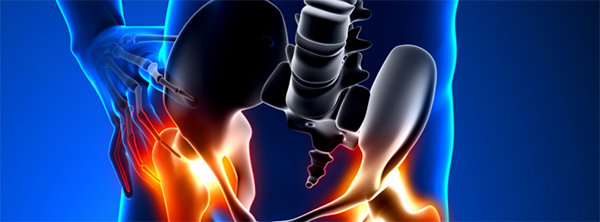
Femoroacetabular impingement (FAI) develops when abnormal contact occurs between the ball and socket of the hip joint. Over time, this repetitive contact can damage the labrum, a ring of cartilage that helps stabilize the hip and distribute forces throughout the joint.
Basketball places tremendous stress on the hips through explosive jumping, cutting, pivoting, sprinting, and rapid changes in direction. These repetitive movements often make athletes particularly susceptible to labral tears and symptomatic hip impingement.
When conservative treatment is unsuccessful, hip arthroscopy allows surgeons to repair the damaged labrum while reshaping the bone responsible for the impingement, helping restore more normal hip mechanics.
Study Overview
Dr. Okoroha and colleagues evaluated active basketball players who underwent primary hip arthroscopy with labral repair for femoroacetabular impingement between 2009 and 2019.
The study included:
- 53 basketball players
- 64 hip arthroscopies
- Average patient age of 21 years
- Minimum follow-up of five years
They evaluated:
- Return to basketball
- Long-term hip function
- Pain levels
- Activity level
- Patient satisfaction
- Need for additional surgery
Unlike many previous studies, this research focused on whether improvements remained years after surgery rather than only during the early recovery period.
Key Findings
Most Athletes Successfully Returned to Basketball
Among athletes who attempted to return to basketball, 81% returned to the sport following hip arthroscopy.
Even more encouraging, 91% of those athletes returned to the same level of competition they played before surgery.
These findings demonstrate that hip arthroscopy can provide lasting success for many basketball players.
Improvements Continued Five Years After Surgery
Patients experienced significant improvements in every major patient-reported outcome measured.
Five years after surgery, athletes continued to report:
- Less hip pain
- Better hip function
- Improved sports performance
- Higher activity levels
- Better quality of life
These improvements remained durable throughout the study period, suggesting that the benefits of surgery extend well beyond the initial recovery phase.
Returning Athletes Had Better Outcomes
Players who returned to basketball consistently reported:
- Better hip function
- Higher activity scores
- Less pain during activity
- Better sports-specific performance
These findings reinforce the importance of restoring normal hip mechanics to maximize athletic recovery.
Most Factors Did Not Affect Return to Sport
Researchers found that body mass index, sex, age, basketball position, and hip anatomy measurements were not associated with return-to-sport success.
Although high school athletes demonstrated slightly lower return-to-sport rates than recreational athletes, the overall outcomes remained highly favorable across the study population.
What This Means for Athletes
Returning to basketball is an important milestone after hip arthroscopy, but maintaining that success over time is equally important.
This study demonstrates that hip arthroscopy not only helps many athletes return to basketball but also provides durable improvements in pain, hip function, and activity levels for years after surgery.
For athletes with symptomatic femoroacetabular impingement who have not improved with nonsurgical treatment, hip arthroscopy remains an effective joint-preserving procedure that can support long-term athletic participation.
Returning to sport should always be based on objective recovery milestones—including strength, range of motion, movement quality, and sport-specific performance—rather than time alone.
Clinical Takeaway
This five-year follow-up study demonstrates that hip arthroscopy for femoroacetabular impingement provides durable, long-term benefits for basketball players. More than 80% of athletes returned to basketball, and the vast majority returned to their previous level of competition while maintaining meaningful improvements in pain, hip function, and activity years after surgery.
These findings reinforce hip arthroscopy as an effective treatment option for athletes seeking both a successful return to sport and lasting hip health.
We are committed to providing personalized care and innovative treatments to help patients return to peak performance safely and effectively. To learn more about hip arthoscopy, schedule a consultation with Dr. Kelechi Okoroha today.
Seeing patients in Dallas, Richardson, Frisco, and beyond, Dr. Okoroha provides specialized care focused on optimizing recovery, performance, and long-term joint health.