A new analysis, conducted by Dr. Okoroha’s colleagues examined outcomes related to the hip capsule after arthroscopic surgery.Their research highlights an important takeaway –while new techniques continue to evolve, long-term data remains critical in determining the best approach. Here’s what they found.
https://journals.sagepub.com/doi/full/10.1177/23259671251330289
Femoroacetabular impingement (FAI) is a common cause of hip pain, especially in active individuals. Arthroscopic surgery is frequently used to treat this condition, but one ongoing debate is whether the hip capsule needs to be repaired during surgery or if it can heal on its own.
A recent study explored this question and identified factors that may influence whether the capsule heals without repair.
Why the Hip Capsule Matters
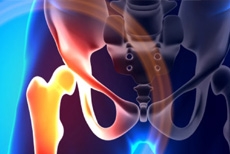
The hip capsule is a strong layer of tissue surrounding the hip joint. During arthroscopic surgery for FAI, surgeons often make a small opening in this capsule to access the joint. Some surgeons repair this opening at the end of the procedure, while others leave it unrepaired, expecting it to heal naturally.
However, healing may not be the same for everyone.
What the Study Looked At
Researchers reviewed patients between 2015 and 2023 who:
- Were diagnosed with femoroacetabular impingement syndrome (FAIS)
- Underwent primary hip arthroscopy
- Did not have capsule repair
- Had at least 6 months of follow-up imaging
They analyzed:
- Age
- Sex
- BMI
- Type of impingement
- Capsule thickness on preoperative MRI
- Capsule healing on postoperative MRI
Key Findings
The study found that 27% of patients did not have a fully healed hip capsule six months after surgery.
Two main factors were associated with non-healing:
- Older age
- Thinner anterior hip capsule before surgery
Patients with unhealed capsules were:
- Older on average (about 44 years old vs. 38 years)
- More likely to have thinner capsule tissue on MRI
The researchers identified potential thresholds:
- Age over 43 years
- Capsule thickness less than 3.35 mm
Patients meeting these criteria were more likely to have incomplete healing.
What This Means for Patients
These findings suggest that capsule healing may not be predictable for everyone. Older patients and those with thinner capsule tissue may benefit from capsule repair at the time of surgery to help restore stability.
Understanding these risk factors can help surgeons tailor treatment plans and potentially improve outcomes.
Takeaway
Not all hip capsules heal on their own after arthroscopic surgery. Age and capsule thickness may play an important role in healing potential. Identifying patients at higher risk for non-healing may help guide surgical decision-making and optimize recovery.
We are committed to providing personalized care and innovative treatments to help patients reach their full potential. To learn more about femoroacetabular impingement or hip arthroscopy, schedule a consultation with our team.
We are committed to providing personalized care and innovative treatments to help patients return to peak performance safely and effectively. To learn more about hip arthroscopic surgery , schedule a consultation with Dr. Kelechi Okoroha today.
Seeing patients in Dallas, Richardson, Frisco, and beyond, Dr. Okoroha provides specialized care focused on optimizing recovery, performance, and long-term joint health.