A new analysis, conducted by Dr. Okoroha’s colleagues examined outcomes related to bankart repair.Their research highlights an important takeaway, while new techniques continue to evolve, long-term data remains critical in determining the best approach. Here’s what they found.
https://journals.sagepub.com/doi/full/10.1177/03635465251388108
Shoulder instability can make everyday activities—and especially sports—both painful and unpredictable. For patients who experience repeated shoulder dislocations, arthroscopic Bankart repair is one of the most common procedures used to restore stability and help prevent future injuries.
But one question many patients ask is: How long does a Bankart repair actually last?
A recent long-term study followed patients for more than 23 years after arthroscopic Bankart repair, making it one of the longest follow-up studies available on this procedure. The findings offer valuable insight into the durability of shoulder stabilization surgery and what patients can expect decades after treatment.
Why Shoulder Stability Matters
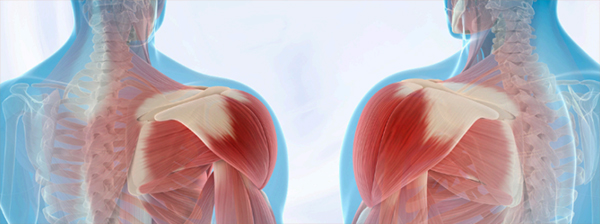
The shoulder is the body's most mobile joint, allowing for an incredible range of motion. However, that mobility also makes it one of the easiest joints to dislocate.
When the shoulder dislocates, the labrum—a ring of cartilage that helps stabilize the shoulder socket—can tear away from the bone. This injury, known as a Bankart lesion, often causes the shoulder to feel unstable and increases the likelihood of repeated dislocations.
Arthroscopic Bankart repair restores stability by reattaching the torn labrum to the shoulder socket using specialized suture anchors. By repairing the damaged tissue, surgeons aim to reduce recurrent instability, protect the joint from further damage, and help patients safely return to work, sports, and daily activities.
Study overview
Researchers evaluated 82 patients who underwent arthroscopic Bankart repair for recurrentanterior shoulder instability. Patients were followed for a median of 23 years, making this oneof the longest studies examining outcomes after shoulder stabilization surgery.
The study evaluated:
- Recurrent shoulder instability
- Redislocation rates
- Revision surgery rates
- Shoulder function
- Pain levels
- Patient satisfaction
- Return to sports and work
Key Findings
Excellent Shoulder Function More Than Two Decades Later
Among patients who did not require additional surgery, shoulder function remained good to excellent more than 20 years after their original procedure.
Patients continued to report:
- Excellent shoulder function
- Low pain levels
- Minimal feelings of instability
- High satisfaction with their surgical outcome
Perhaps most notably, 97% of patients said they would choose to undergo the same surgery again, highlighting the long-term value of the procedure.
Most Patients Maintained Their Activity Level
The majority of patients reported that their ability to participate in sports and perform work-related activities was either maintained or improved following surgery.
These findings suggest that successful Bankart repair can provide lasting shoulder stability that supports an active lifestyle for many years.
Some Patients Experienced Recurrent Instability
Although overall outcomes remained favorable, recurrent instability was still observed in some patients over time.
Researchers found that:
- Approximately 1 in 3 patients experienced some form of recurrent instability or redislocation.
- Nearly 1 in 5 patients required an additional shoulder surgery during the follow-up period.
Interestingly, several patients developed instability more than a decade after their initial procedure, emphasizing the importance of evaluating surgical outcomes over the long term rather than only during the first few years after surgery.
Certain Risk Factors Increased the Chance of Recurrence
The study identified two factors associated with a higher risk of recurrent instability.
Patients with inferior glenohumeral laxity, meaning increased looseness of the shoulder joint, were more likely to report ongoing instability after surgery.
Researchers also found that patients whose original repair used fewer suture anchors were more likely to experience redislocations later in life.
What This Means for PatientsRecognizing these risk factors may help surgeons better identify patients who could benefit from individualized surgical planning and postoperative management.
What This Means for Patients
For individuals experiencing recurrent shoulder dislocations, this study provides encouraging news.
Even after more than two decades, most patients continued to enjoy excellent shoulder function with minimal pain and high satisfaction following arthroscopic Bankart repair.
While no surgical procedure can completely eliminate the possibility of future instability, repairing the labrum remains an effective way to restore shoulder stability, improve function, and reduce the risk of repeated dislocations.
Patients with significant joint laxity or other risk factors may require closer evaluation to determine the most appropriate surgical approach, but overall, these findings reinforce the long-term durability of arthroscopic Bankart repair.
Clinical Takeaway
This 23-year follow-up study demonstrates that arthroscopic Bankart repair remains an effective long-term treatment for recurrent anterior shoulder instability. Although approximately one-third of patients experienced some recurrence of instability and about one in five required additional surgery, the majority maintained excellent shoulder function, low pain levels, and high satisfaction more than two decades after their original procedure.
For patients with recurrent shoulder instability, restoring stability early may help prevent additional damage to the labrum, cartilage, and surrounding structures. These findings support arthroscopic Bankart repair as a reliable option for preserving shoulder function and maintaining an active lifestyle over the long term.
We are committed to providing personalized care and innovative treatments to help patients return to peak performance safely and effectively. To learn more about arthroscopic bankart repair, schedule a consultation with Dr. Kelechi Okoroha today.
Seeing patients in Dallas, Richardson, Frisco, and beyond, Dr. Okoroha provides specialized care focused on optimizing recovery, performance, and long-term joint health.
Visit: