A new analysis, conducted by Dr. Okoroha's colleagues examined outcomes related to shoulder arthroscopy. Their research highlights an important takeaway, while new techniques continue to evolve, long-term data remains critical in determining the best approach. Here's what they found.
https://arthroscopyjournals.onlinelibrary.wiley.com/doi/10.1002/arj.70660
When undergoing surgery for a massive rotator cuff tear, patients often wonder what a successful recovery should look like. While imaging can reveal important details about the shoulder's structure, does a better-looking X-ray always mean a better outcome?
Not necessarily.
An editorial titled Patients, Not Radiographs, Define Success After Surgical Treatment of Massive Rotator Cuff Tears highlights an important finding in shoulder surgery: patients can experience meaningful improvements in pain, mobility, and daily function even when postoperative imaging does not show complete restoration of normal shoulder anatomy.
The article emphasizes that successful recovery involves more than structural healing. Ultimately, how patients feel, move, and function in their everyday lives remains one of the most important measures of surgical success.
Understanding Massive Rotator Cuff Tears
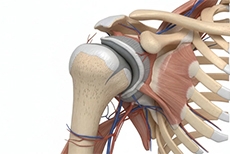
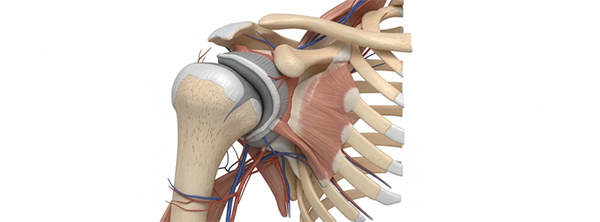
The rotator cuff is a group of muscles and tendons that helps stabilize the shoulder and allows the arm to move through a wide range of motion.
A massive rotator cuff tear involves extensive damage to these tendons, often resulting in significant pain, weakness, limited mobility, and difficulty performing everyday activities.
Patients with these injuries may struggle with:
- Lifting their arm overhead
- Reaching or carrying objects
- Sleeping comfortably
- Performing work-related activities
- Participating in sports or exercise
Treating massive rotator cuff tears can be challenging because of the extent of tissue damage and changes in shoulder mechanics.
Depending on the injury, surgical treatment may include rotator cuff repair, superior capsular reconstruction, or tendon transfer. These procedures aim to improve shoulder function, reduce pain, and restore stability.
Why Imaging Has Traditionally Been Important
Following shoulder surgery, orthopedic surgeons often use imaging to evaluate how well the shoulder's anatomy and mechanics have been restored.
One commonly evaluated measurement is the acromiohumeral interval (AHI), which represents the space between the upper arm bone and the acromion, a bony structure above the shoulder joint.
A narrowed AHI can indicate that the humeral head has migrated upward, which may be associated with larger rotator cuff tears and more advanced shoulder damage.
Because of this relationship, surgeons have traditionally viewed an increase in AHI after surgery as a potential sign of improved shoulder mechanics.
However, recent research suggests that this measurement does not tell the entire story.
Key Findings: Better Shoulder Function Does Not Always Require Better Imaging
Patients Can Improve Without Complete Radiographic Restoration
The article discusses a systematic review examining outcomes after rotator cuff repair, superior capsular reconstruction, and tendon transfer for massive or irreparable rotator cuff tears.
Researchers found that patients could experience improvements in pain, shoulder function, and forward elevation even when postoperative measurements of the acromiohumeral interval did not increase.
This suggests that restoring normal measurements on an X-ray is not always necessary for meaningful clinical improvement.
Shoulder Recovery Depends on Multiple Factors
Successful shoulder recovery involves more than repairing damaged tissue or restoring the joint's appearance on imaging.
The article identifies several factors that may influence postoperative outcomes, including:
- Biological healing
- Rehabilitation participation
- Muscle coordination and adaptation
- Pain sensitivity
- Psychological health
- Patient expectations
- Individual differences in shoulder function
These factors help explain why two patients with similar imaging findings may experience very different recovery outcomes.
Pain Relief and Function Are Important Measures of Success
One of the article's central messages is that patients often define successful surgery differently from how it may be measured on an X-ray.
For many patients, success means:
- Sleeping comfortably without shoulder pain
- Regaining the ability to lift their arm
- Returning to work and daily responsibilities
- Performing overhead activities
- Participating in exercise or recreational activities
- Experiencing meaningful improvements in quality of life
Even when imaging continues to show structural abnormalities, these improvements can represent a successful clinical outcome.
Imaging Still Plays an Important Role
Although imaging does not independently determine whether surgery was successful, it remains an essential part of evaluating shoulder health.
Radiographic measurements can provide valuable information about the severity of an injury, structural changes, surgical planning, and potential causes of treatment failure.
The article emphasizes that imaging should complement clinical evaluation rather than replace it.
Importantly, much of the available research is retrospective and includes differences in patient populations and surgical procedures. Additional research is needed to better understand the relationship between imaging changes and long-term patient outcomes.
What This Means for Patients
For patients undergoing treatment for a massive rotator cuff tear, this research offers an important perspective on recovery expectations.
A successful surgical outcome does not always require the shoulder to look completely normal on an X-ray.
While structural healing remains important, improvements in pain, strength, mobility, and the ability to perform everyday activities can be equally meaningful.
Recovery should be evaluated through a combination of imaging findings, physical examination, functional progress, and patient-reported outcomes.
Patients should also understand that healing varies from person to person. Rehabilitation, pain sensitivity, individual healing potential, and other health-related factors can influence recovery even when the surgical procedure is performed successfully.
Rather than focusing on a single measurement, patients and surgeons should work together to establish realistic goals that reflect the patient's needs, lifestyle, and desired activities.
Clinical Takeaway
This article reinforces an important principle in orthopedic care: successful rotator cuff surgery cannot be defined by imaging results alone.
Patients undergoing surgery for massive rotator cuff tears may experience meaningful improvements in pain, mobility, and shoulder function even when postoperative imaging continues to show structural abnormalities.
Although radiographic measurements such as the acromiohumeral interval remain valuable for evaluating shoulder anatomy and surgical outcomes, they represent only one part of the recovery process.
Ultimately, the goal of rotator cuff surgery is not simply to improve the appearance of the shoulder on imaging. It is to restore comfortable, functional movement and help patients return to the activities that matter most to them.
We are committed to providing personalized care and innovative treatments to help patients return to peak performance safely and effectively.
Seeing patients in Dallas, Richardson, Frisco, and beyond, Dr. Okoroha provides specialized care focused on optimizing recovery, performance, and long-term joint health.